
The Mindful Strategy: Integrating Reflection and Focus into Corporate Planning
Jan 27, 2026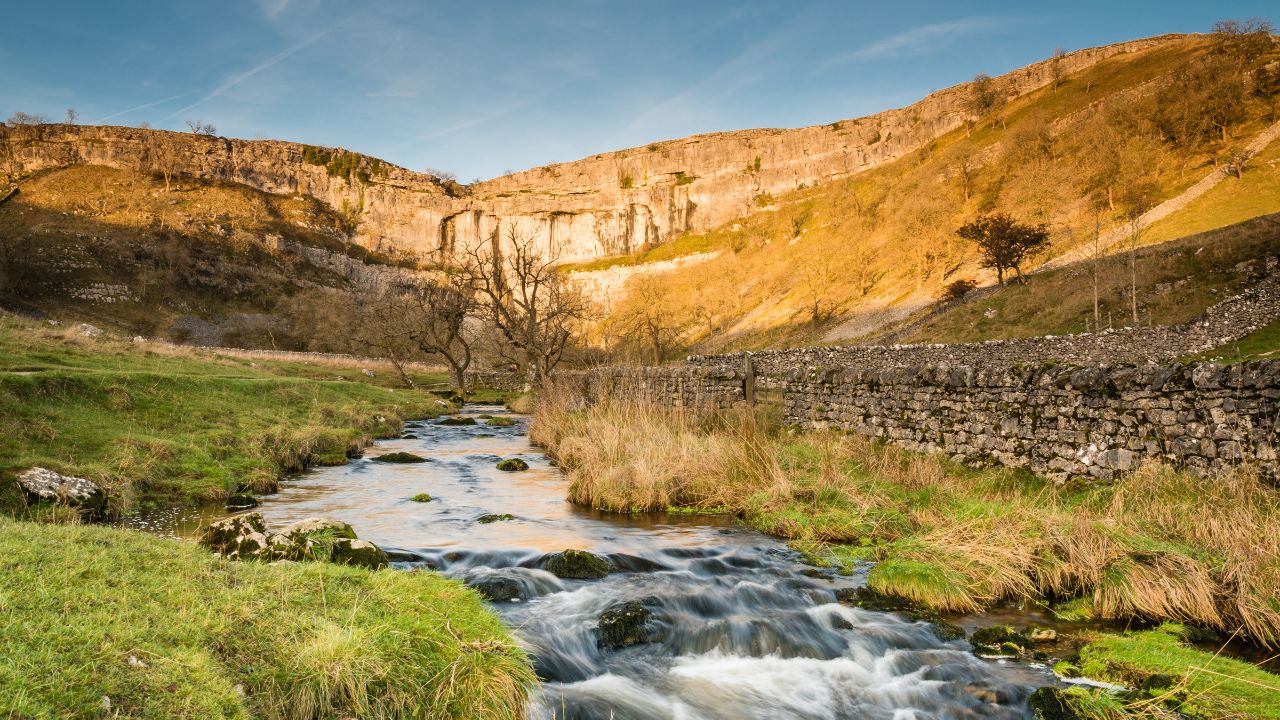
In every boardroom, the pressure to decide faster has never been greater. Markets move hourly. Data floods in endlessly. But here’s the quiet paradox: the faster organisations try to think, the less clearly they do.
For leadership teams, strategy isn’t failing because of a lack of intelligence or analysis – it’s failing because of attention overload. In a culture addicted to immediacy, strategic reflection has become the rarest leadership discipline of all. That’s why, across industries, more executives are leaving behind traditional meeting rooms and turning to purpose-built corporate retreat venues in Yorkshire and beyond – places where time slows down long enough for real strategy to surface.
The Missing Discipline in Strategy
Corporate planning often promises rigour, yet rewards reactivity. Annual offsites fill with slides, updates, and competing priorities – but rarely with space to think. The result? A strategy that’s well-documented but poorly digested. Mindful strategy reverses that equation. It treats focus as the foundation, not the by-product, of strategic thought.
The principle is simple but profound: Attention is the raw material of every decision.
And like any resource, it needs protection, renewal, and direction.
Why Focus Fails in Modern Organisations
Attention isn’t just mental – it’s environmental. Noise, interruptions, notifications, and stress hijack cognitive bandwidth. Neuroscience shows that when leaders operate in a state of constant stimulation, the brain defaults to short-term thinking – reactive, pattern-seeking, and risk-averse. A true strategy requires the opposite: deep time, divergent thought, and collective reflection. It’s why some of the most effective executive strategy retreats today are built not around more content, but around more silence.
At High Trenhouse, silence isn’t empty – it’s intentional. It’s the mental equivalent of whitespace on a page: the breathing room where meaning finds form.
Reflection as a Strategic Act
When strategy sessions are purely intellectual, they risk becoming detached from reality. Reflection bridges that gap. It turns information into insight – and insight into alignment. That’s why at High Trenhouse, reflection is designed into the rhythm of every gathering:
- Quiet morning walks that clarify thought before discussion.
- Open sessions that value presence over presentation.
- Breaks not for distraction, but for digestion.
In practice, mindfulness simply means bringing full attention to the work that matters most – without fragmentation. And that’s where physical space plays its part.
How Environment Shapes Strategic Focus
Walk into most corporate meeting rooms, and you’ll find the same cues: ticking clocks, bright lights, rectangular tables, and a subtle pressure to perform. Now imagine the opposite:
- A room surrounded by green horizons instead of glass walls.
- Natural light instead of fluorescence.
- A circular seating layout that invites listening, not hierarchy.
The difference isn’t aesthetic – it’s neurological. Research in environmental psychology confirms that natural settings lower stress hormones and restore working memory – the foundation for complex thought. That’s why leadership teams seeking deeper clarity increasingly choose leadership retreats UK that balance nature, structure, and silence. High Trenhouse was designed precisely for that balance – a business retreat venue where thinking feels as expansive as the landscape around it.
From Productivity to Presence
Corporate culture often celebrates activity – full calendars, back-to-back meetings, rapid responses.
But strategy requires a different metric: quality of attention.
- When leaders are fully present, dialogue deepens.
- When teams are unhurried, creativity returns.
- When the environment supports reflection, alignment follows naturally.
The shift toward mindful strategy isn’t about slowing down – it’s about speeding up the right things. It’s the discipline of deliberate thought in a distracted age.
A Framework for Mindful Strategic Planning
At High Trenhouse, we see mindful planning as a four-stage process – one that any organisation can apply:
- Clear the Noise: Begin with a digital and mental reset. Step away from screens, roles, and rehearsed language.
- Ground in Purpose: Ask not just “what’s next,” but “why now?” Purpose is the compass that makes strategy coherent.
- Create Conditions for Insight: Replace rigid schedules with guided flow. Alternate intensity with reflection. Build in pauses where understanding can deepen.
- Translate Insight into Action: Strategy without embodiment dissolves. Capture decisions in plain language and assign ownership while the clarity is fresh.
This isn’t just process design – it’s leadership design.
Where Strategy Meets Stillness
The greatest risk in modern planning is mistaking activity for progress. Mindful strategy corrects that by reframing attention as a leadership resource.
At High Trenhouse, our setting in the Yorkshire Dales – secluded yet accessible – exists for that purpose: to give leaders the focus they can’t find elsewhere. Our hosted approach removes the friction of logistics, while our environment invites the kind of presence that strategy deserves. Because real foresight isn’t found in urgency. It’s found in stillness.
Contact us today to plan your next retreat.
Stay connected with news and updates!
Join our mailing list to receive the latest news and updates from our team.
Don't worry, your information will not be shared.
We hate SPAM. We will never sell your information, for any reason.